
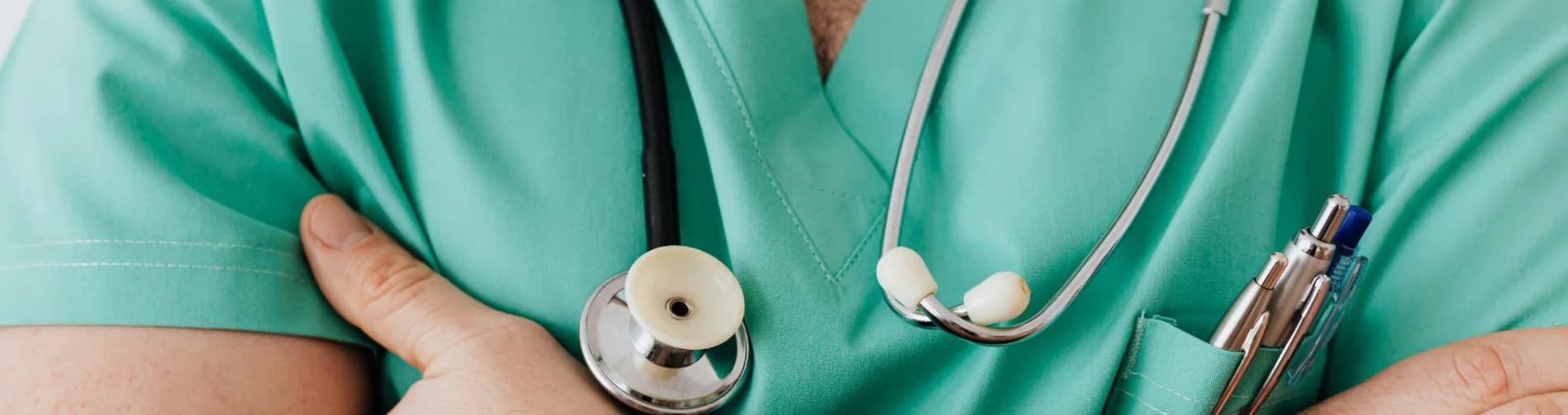
Healthcare
Where Hygiene Is a Control System, not a Task
Healthcare environments operate under continuous risk.
Every surface, every touchpoint, every process directly impacts:
• Infection Risk
• Patient Safety
• Compliance Standards
This is not a cleaning problem.
It is a control problem.
Kleanfix structures hygiene as a controlled system — not a set of products.
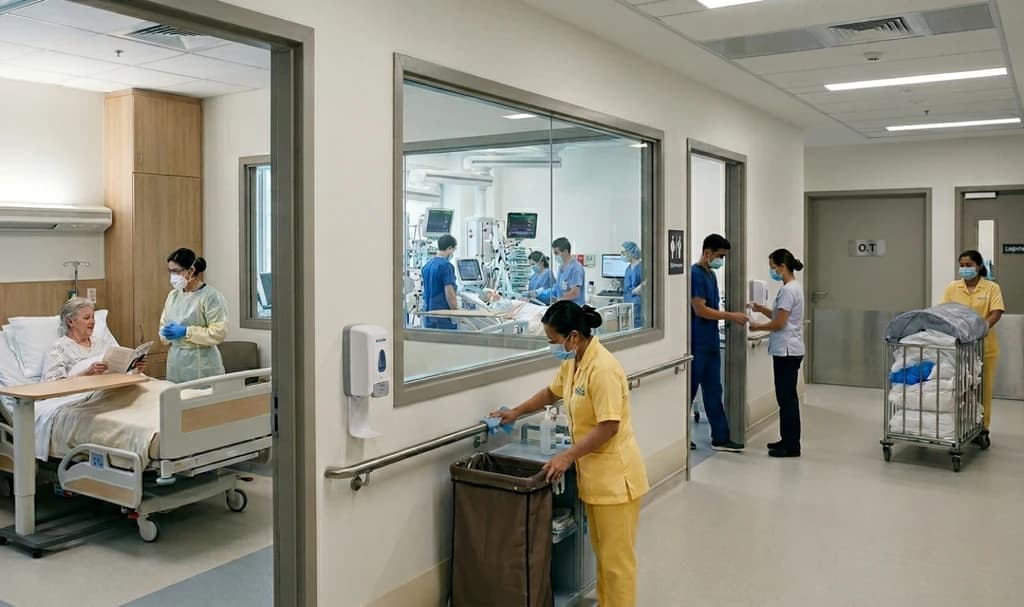
How healthcare environment
actually operate
Hospitals are not standard facilities.
They operate across multiple risk layers:
• Patient Rooms
• ICU’s
• Operation Theatres
• Washrooms
• High-Touch Zones
• Laundry Systems
Each with different levels of exposure.
And one constant requirement:
controlled hygiene execution.
Failure at any stage increases risk.
What goes wrong
without a system
In healthcare, small inconsistencies create large risks.
Different staff execute differently.
• Cleaning may be done — but not validated.
• Protocols are defined — but not consistently followed.
• Hygiene layers remain incomplete.
This leads to:
• Persistent Contamination
• Gaps in High-Touch Areas
• Cross-Contamination Through Linen
• Inconsistent Hand Hygiene
• Difficulty Maintaining Protocol Discipline
The result is increased infection risk and compliance pressure.

Why healthcare
needs system
Cleaning removes visible dirt.
Risk remains invisible.
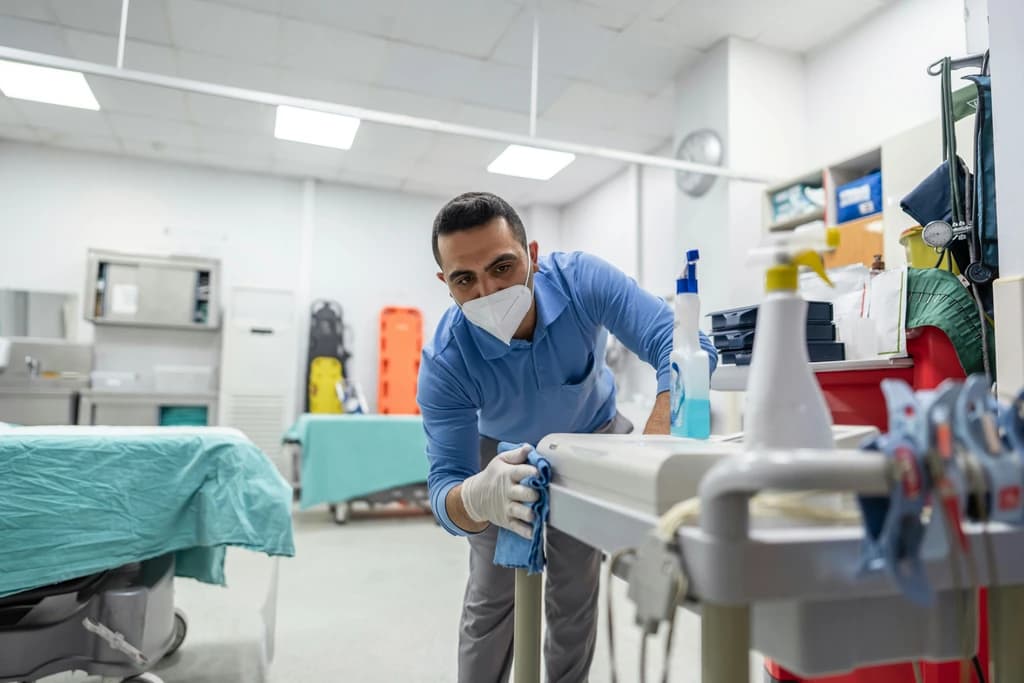
Hygiene in healthcare must be:
• Repeatable
• Controlled
• Protocol-Driven
Without system structure, hygiene depends on people.
With system structure, hygiene becomes predictable.
How kleanfix maps healthcare operations
Kleanfix aligns healthcare environments into controlled systems:
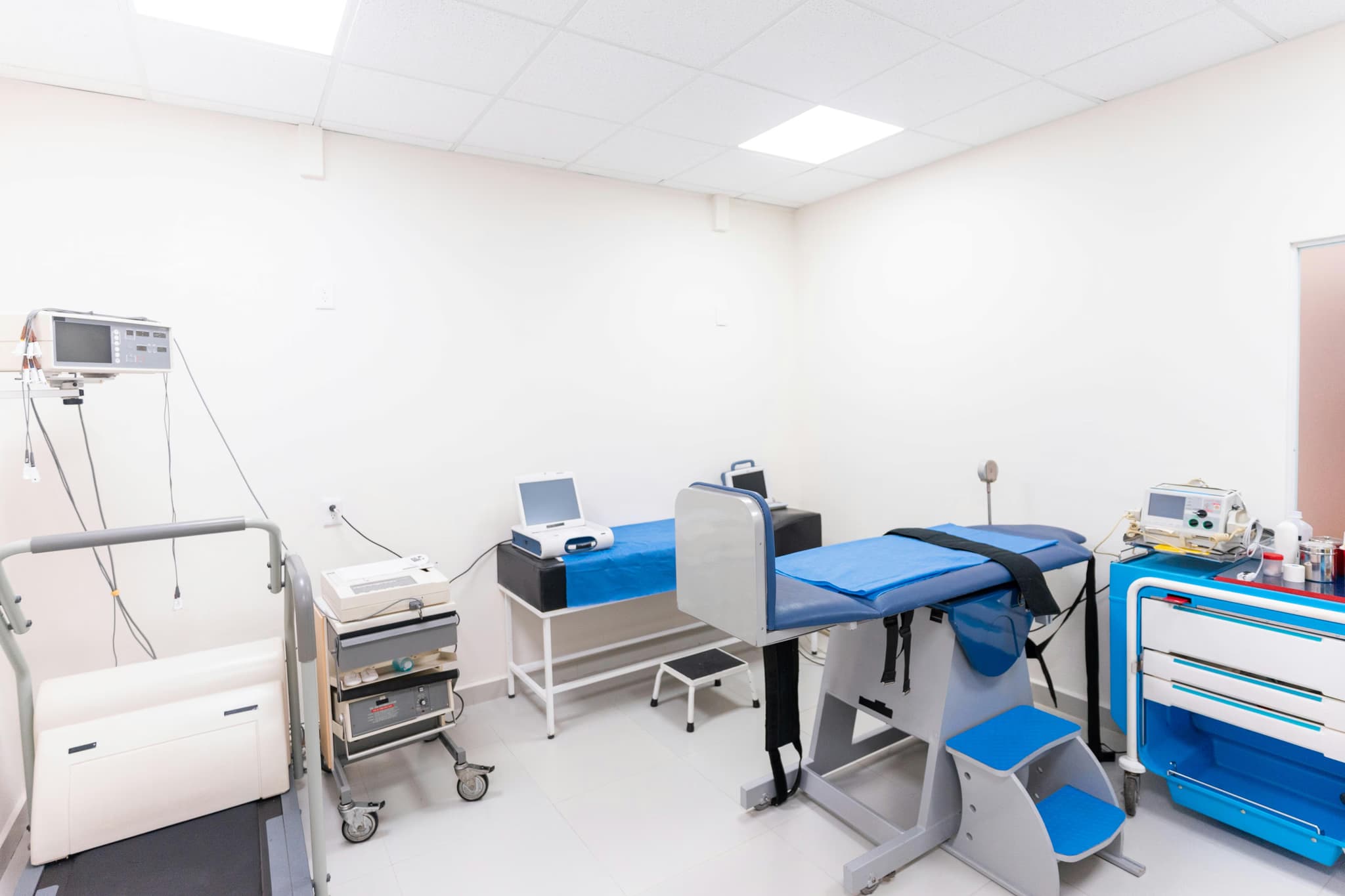
Patient Areas
Facility Care for surface cleaning + Germ Control for sanitization layer

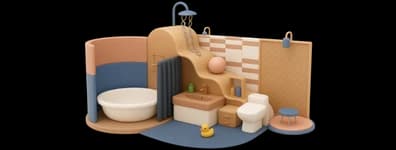
Washrooms
Facility Care + Germ Control for hygiene and maintenance
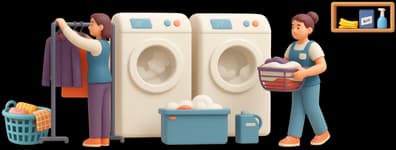
Linen & Laundry
Laundry Care for contamination control and consistency
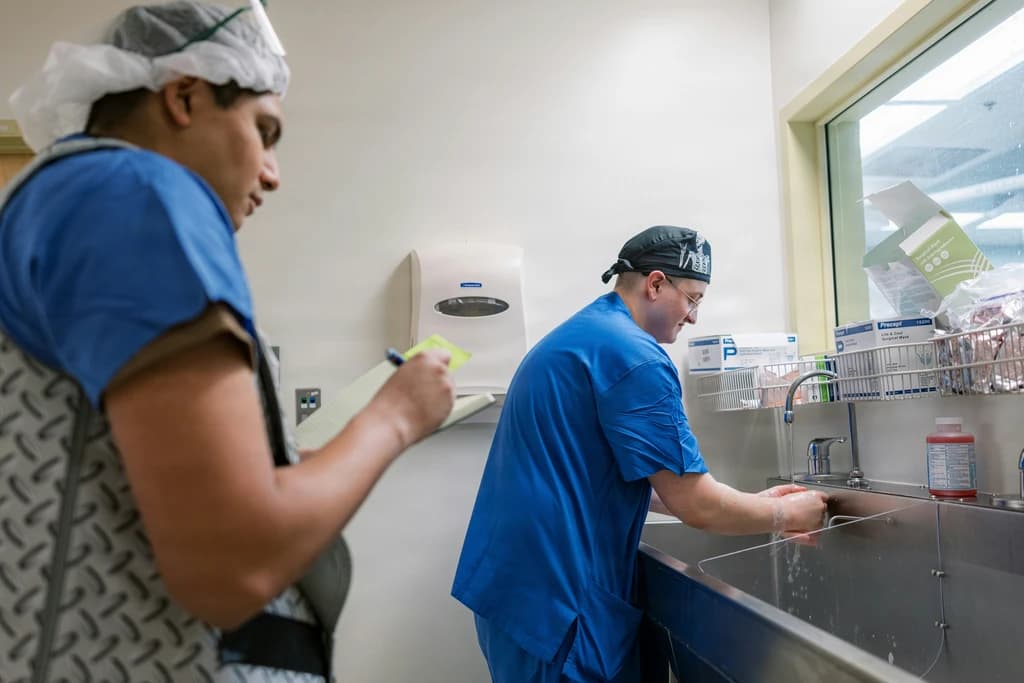
Hand Hygiene Points
Personal Care systems for compliance and usability

This mapping ensures hygiene is executed as a system — not as isolated actions.
Operation control by zone
Patient Areas
Continuous usage and high-touch surfaces increase contamination exposure.
Kleanfix structures cleaning and sanitization layers together to maintain controlled hygiene environments.
Washrooms
High microbial load and frequent use create hygiene instability.
Kleanfix ensures controlled conditions through combined cleaning and sanitization layers.
Linen & Laundry
Fabric becomes a major contamination carrier if not controlled.
Kleanfix structures laundry processes to reduce cross-contamination and maintain hygiene consistency.
Hand Hygiene Points
Compliance is often inconsistent due to usability and behaviour.
Kleanfix aligns systems to improve both accessibility and repeat usage.
Germ control —
the core layer
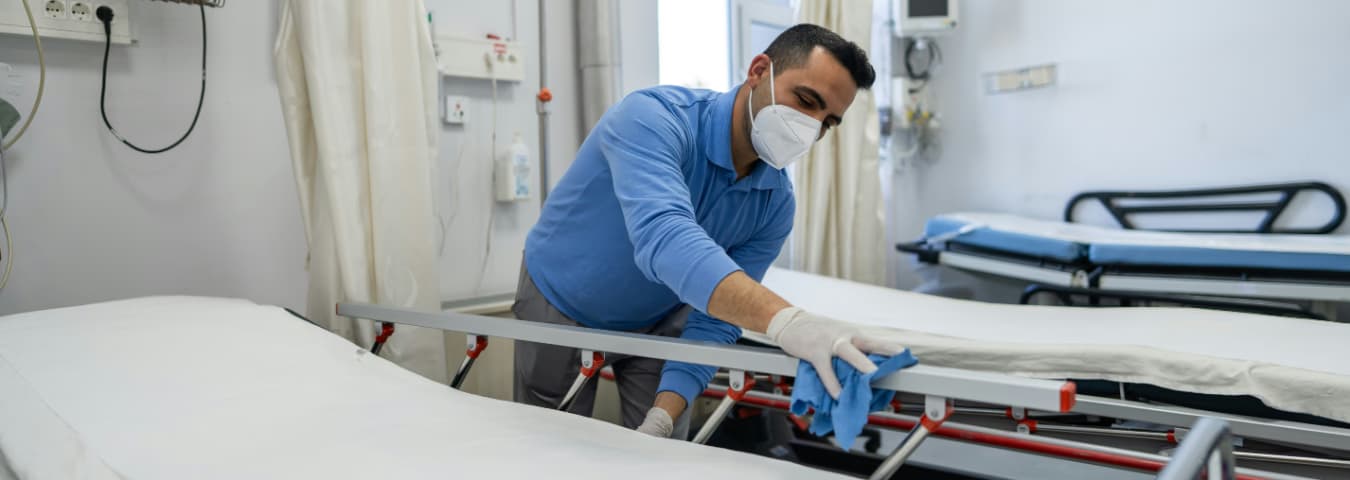
Cleaning removes what is visible.
Germ control addresses what is not.
Without structured sanitization:
• Microbial Presence Persists
• Risk Remains Uncontrolled
• Compliance Becomes Difficult
With system integration:
• Hygiene Becomes Controlled
• Variability Reduces
• Risk Exposure Is Minimized
What this means for
healthcare operators
With structured systems in place:
• Hygiene Execution Becomes Consistent
• Contamination Risk Reduces
• Protocol Adherence Improves
• Variation Across Staff and Shifts Decreases
• Operations Become More Predictable
This is not a better cleaning.
It is controlled hygiene execution.
If consistency matters to your business, you don’t need more suppliers.
You need control over the system.
Once submitted, your requirement is mapped to the right system based on application, scale, and performance needs — before any recommendation is made.